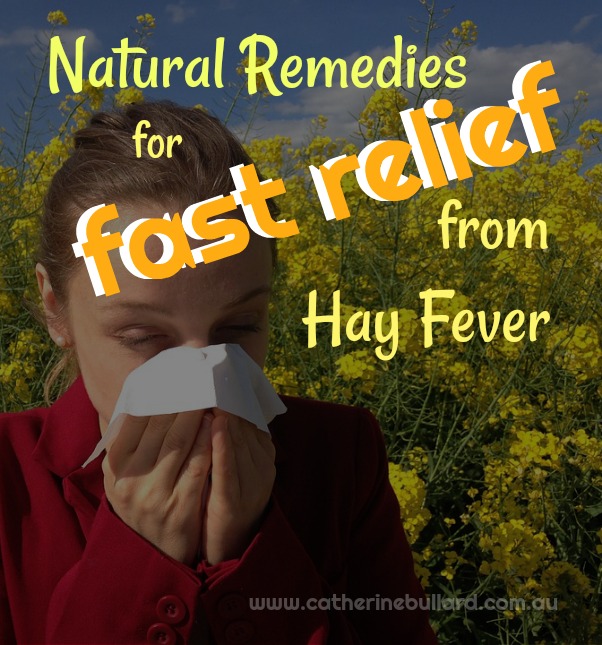
The arrival of spring and summer often brings with it vibrant flora, longer days, and a renewed sense of outdoor adventure. However, for millions, these beautiful seasons are marred by the relentless onslaught of hay fever, also known as allergic rhinitis. Sneezing fits, itchy eyes, a runny nose, and nasal congestion can turn idyllic moments into a miserable battle against pollen. While conventional antihistamines offer a quick fix, many people find their effectiveness wanes over time, or they come with unwelcome side effects like drowsiness, brain fog, and dry mouth. This quest for relief without the trade-offs has led countless individuals to explore natural hay fever remedies that work in harmony with the body, offering a gentler yet powerful approach to managing seasonal allergies.
Understanding Hay Fever and the Quest for Gentle Relief
Hay fever is an immune system overreaction to airborne allergens like pollen from trees, grasses, and weeds. When these microscopic particles are inhaled, the body mistakenly identifies them as a threat, triggering the release of histamine and other inflammatory chemicals. These substances are responsible for the classic allergy symptoms we all dread. For individuals with chronic health sensitivities, this immune response can be particularly intense, making the need for effective, non-disruptive solutions even more pressing.
Instead of merely suppressing symptoms with conventional antihistamines, which can sometimes leave you feeling foggy and less alert, many are turning to a holistic strategy. This approach focuses on strengthening the body's natural defenses, reducing inflammation, and balancing immune responses. The goal is not just temporary symptom relief, but a more resilient system capable of handling environmental triggers with greater ease. These alternative natural hay fever remedies offer a path to clear breathing and comfortable living without the sedating side effects.
Potent Herbal Allies: Nature's Antihistamines
Nature offers a remarkable pharmacy of herbs and plant compounds that can mimic or support the body's own defense mechanisms against allergens. These natural alternatives work on various pathways to reduce the allergic response.
Stinging Nettle (Urtica dioica)
Often perceived as a garden nuisance, stinging nettle is a powerhouse herb for allergy relief. It acts as a natural antihistamine, directly interfering with the body's ability to produce and release histamine. Research suggests that nettle can help stabilize mast cells, which are responsible for releasing histamine in response to allergens. This makes it particularly effective at reducing sneezing, itching, and congestion.
- How to use: Nettle can be consumed as a tea (dried leaves steeped in hot water), in capsule form (often freeze-dried), or as a tincture.
- Tip: For best results, consider starting nettle supplementation a few weeks before pollen season begins to build up its effects in your system. Consistency is key with herbal remedies.
Quercetin: The Flavonoid Powerhouse
Quercetin is a naturally occurring plant flavonoid found in many fruits, vegetables, and grains. It's a potent antioxidant and anti-inflammatory agent, but its real star quality in allergy relief comes from its ability to act as a mast cell stabilizer. By preventing mast cells from releasing histamine, quercetin effectively dampens the allergic response. It also has bronchodilator properties, potentially helping to ease respiratory symptoms.
- Dietary Sources: Rich sources include onions (especially red onions), apples (with skin), berries, grapes, broccoli, and capers.
- Supplementation: While dietary intake is beneficial, therapeutic doses for allergy relief often come from supplements. Quercetin is often combined with bromelain for enhanced absorption and efficacy.
- Insight: Studies have shown quercetin's potential to reduce symptoms of allergic rhinitis, making it a cornerstone of many natural hay fever protocols.
Butterbur (Petasites hybridus)
Hailing from Europe and parts of Asia, butterbur has a long history in traditional medicine for treating various ailments, including respiratory conditions. Modern research has highlighted its potential as a natural remedy for hay fever, demonstrating its ability to block leukotrienes – another group of inflammatory chemicals involved in allergic reactions, similar to how some conventional allergy medications work.
- Important Note: It's crucial to use only "PA-free" (Pyrrolizidine Alkaloid-free) butterbur extracts. Raw butterbur contains PAs, which can be toxic to the liver. Reputable brands ensure their products are processed to remove these harmful compounds.
- Efficacy: Some clinical trials have shown butterbur to be as effective as certain antihistamines for seasonal allergy symptoms, without causing drowsiness.
Complementary Supplements for Immune Support
Beyond specific anti-allergy herbs, several supplements can bolster your immune system and reduce overall inflammation, making your body less reactive to allergens.
Bromelain: The Enzyme Enhancer
Derived from pineapple, bromelain is a proteolytic enzyme known for its powerful anti-inflammatory properties. When taken with quercetin, bromelain can significantly enhance its absorption and effectiveness. It also directly helps to reduce swelling and irritation in the nasal passages and sinuses, providing relief from congestion.
- Tip: For systemic anti-inflammatory effects and to aid quercetin absorption, take bromelain on an empty stomach between meals.
Spirulina: A Nutrient-Dense Immune Booster
This blue-green algae is a nutritional powerhouse, packed with vitamins, minerals, antioxidants, and anti-inflammatory compounds. Spirulina has been shown to modulate the immune response, helping to calm overactive allergic reactions. Studies suggest it can inhibit histamine release and reduce symptoms like nasal discharge and sneezing.
- Benefits: Besides allergy relief, spirulina supports overall immune health, detoxification, and energy levels.
- Usage: Available in powder or tablet form. Start with a smaller dose and gradually increase.
Probiotics and Gut Health
An often-overlooked aspect of immune health is the gut microbiome. A balanced and diverse gut flora plays a crucial role in immune regulation. An imbalance can contribute to an overactive immune system, making individuals more susceptible to allergies. Incorporating probiotics can help foster a healthy gut, which in turn can lead to a more balanced immune response and potentially reduce the severity of hay fever symptoms.
- Actionable Advice: Include fermented foods like kefir, sauerkraut, and kimchi in your diet, and consider a high-quality, multi-strain probiotic supplement. This strategy contributes to lasting natural hay fever relief by addressing the root cause.
Holistic Habits for Lasting Relief
While specific remedies are powerful, integrating supportive daily habits can significantly amplify their effects and provide more comprehensive, lasting relief.
Dietary Adjustments
An anti-inflammatory diet can reduce the overall inflammatory load on your body, making it less reactive to allergens. Focus on whole, unprocessed foods, rich in fruits, vegetables, lean proteins, and healthy fats. Some individuals also find relief by temporarily avoiding histamine-rich foods (like aged cheeses, fermented foods, cured meats, and alcohol) or histamine-releasing foods (like strawberries, citrus, and tomatoes) during peak allergy season.
Pollen Management Strategies
Reducing your exposure to pollen is a simple yet effective way to mitigate symptoms.
- Cleanliness: Shower and wash your hair before bed to remove pollen. Change clothes after coming indoors.
- Home Environment: Keep windows closed during high pollen counts. Use air purifiers with HEPA filters.
- Nasal Rinses: Saline nasal rinses (e.g., neti pot) can wash away pollen and mucus, providing immediate relief.
- Eyewear: Wear sunglasses when outdoors to protect your eyes from airborne pollen.
Stress Reduction
Chronic stress can significantly impact the immune system, often exacerbating allergic reactions. Practicing stress-reducing techniques like meditation, yoga, deep breathing exercises, or spending time in nature can help calm your nervous system and support a more balanced immune response.
Hydration and Sleep
Adequate hydration helps keep mucus thin and flowing, preventing congestion. Aim for at least 8 glasses of water daily. Sufficient, quality sleep is crucial for immune function and overall healing. Lack of sleep can weaken your body's defenses and make allergy symptoms feel worse.
Regular Exercise
Moderate exercise can boost circulation, improve lung capacity, and reduce stress, all of which contribute to better immune health. Choose indoor activities or exercise during times when pollen counts are lower if outdoor workouts trigger your symptoms.
Conclusion
Navigating hay fever doesn't have to mean succumbing to perpetual drowsiness or persistent symptoms. By embracing a thoughtful combination of potent herbal remedies like stinging nettle, quercetin, and butterbur, alongside immune-supportive supplements such as bromelain and spirulina, and integrating crucial lifestyle adjustments, you can achieve significant, lasting relief. These natural hay fever remedies offer a practical, gentle, and holistically minded approach, working with your body to balance immune responses and reduce inflammation. Remember, consistency and intentionality are your greatest allies on this journey towards a more comfortable and vibrant allergy season. Always consult with a healthcare professional before starting any new supplement regimen, especially if you have underlying health conditions or are taking other medications.