Balance Immunity: Your Guide to Lasting Natural Hay Fever Relief
For millions, the vibrant blooms of spring and lush greenery of summer bring with them an unwelcome guest: hay fever. The sneezing, itchy eyes, runny nose, and general congestion associated with seasonal allergies can turn beautiful days into a battle against an overactive immune system. While conventional antihistamines offer quick relief, many sufferers, particularly those with chronic health sensitivities, find themselves seeking alternatives that don't come with the dreaded side effect of drowsiness or the feeling of simply masking symptoms.
The good news is that achieving lasting relief from hay fever doesn't always mean relying solely on pharmaceutical interventions. A growing body of research and centuries of traditional wisdom point towards natural hay fever remedies that work with your body, not against it, to balance immune responses, reduce inflammation, and offer genuine, sustainable comfort. This guide delves into effective natural alternatives, supportive habits, and mindful supplementation to help you reclaim your seasons.
Understanding Hay Fever: More Than Just a Nuisance
Often referred to as allergic rhinitis, hay fever is essentially your immune system overreacting to harmless airborne particles like pollen, dust mites, or pet dander. When these allergens enter your body, your immune system mistakenly identifies them as threats and releases histamine and other inflammatory chemicals. It's this cascade of chemicals that triggers the familiar symptoms: nasal congestion, sneezing, a runny nose, itchy eyes and throat, and sometimes even fatigue or headaches.
For individuals with chronic health sensitivities, this immune system overreaction can be particularly debilitating, exacerbating existing conditions or making it harder to manage daily life. The conventional approach often focuses on suppressing these symptoms with antihistamines. However, many are now looking for a deeper solution – one that addresses the root cause by modulating the immune response and reducing the body's overall inflammatory burden. This shift empowers you to move beyond temporary fixes towards truly balancing your body's natural defenses.
Nature's Pharmacy: Potent Herbal Hay Fever Remedies
When it comes to natural hay fever remedies, several herbs stand out for their ability to soothe symptoms without causing drowsiness. These botanical allies have been traditionally used for their anti-inflammatory and immune-modulating properties, offering a gentle yet effective path to relief.
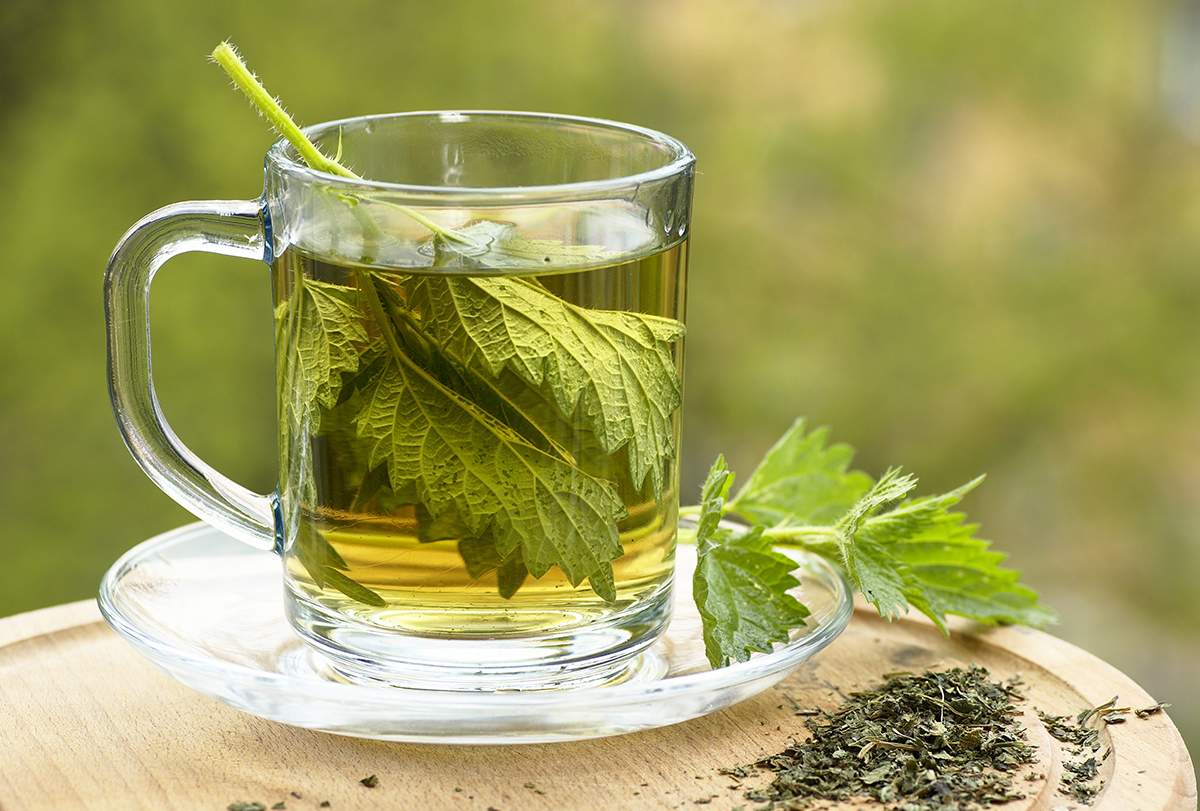
- Stinging Nettle (Urtica dioica): Far from being just a garden weed, stinging nettle is a powerhouse for allergy sufferers. It acts as a natural antihistamine, inhibiting the body's production and release of histamine – the primary chemical responsible for allergy symptoms. Nettle also boasts anti-inflammatory properties, helping to calm irritated nasal passages and reduce swelling. It can be consumed as a tea (dried leaves steeped in hot water), tincture, or in capsule form. For best results, many herbalists recommend starting nettle supplementation a few weeks before allergy season begins.
- Quercetin: This potent flavonoid, found naturally in many fruits and vegetables like apples, onions, and berries, is celebrated for its antioxidant and anti-inflammatory benefits. Quercetin works by stabilizing mast cells, the cells that release histamine in response to allergens. By preventing histamine release, quercetin can significantly reduce allergic reactions. Its effectiveness is often enhanced when taken with vitamin C and bromelain, which aids in its absorption and further boosts its anti-inflammatory action. While you can increase your intake through diet, supplementary forms are often necessary to achieve therapeutic doses for allergy relief.
- Butterbur (Petasites hybridus): Clinical studies have shown butterbur extracts to be comparable to some conventional antihistamines in relieving hay fever symptoms, particularly nasal and ocular discomfort. Its mechanism of action involves inhibiting leukotrienes, another group of inflammatory chemicals involved in allergic responses. However, a crucial note on safety: raw butterbur plants contain pyrrolizidine alkaloids (PAs), which can be toxic to the liver. It is absolutely essential to choose only PA-free butterbur extracts from reputable manufacturers to ensure safety.
These natural remedies offer a compelling alternative for those looking to ditch drowsiness and work with their body to achieve a more balanced immune response.
Beyond Herbs: Supportive Supplements and Lifestyle Habits
While specific herbs can be incredibly effective, a holistic approach to managing hay fever extends to other supportive supplements and crucial lifestyle adjustments. These elements work synergistically to strengthen your body's resilience and create an environment less prone to allergic flare-ups.
Targeted Supplementation:
- Bromelain: An enzyme complex derived from pineapples, bromelain is renowned for its anti-inflammatory properties. It helps break down immune complexes and reduce swelling, particularly in the nasal passages. As mentioned, it also enhances the absorption and efficacy of quercetin, making them a powerful duo for allergy relief.
- Spirulina: This blue-green algae is a nutrient-dense superfood with documented immune-modulating effects. Studies suggest spirulina can help balance the immune system and reduce allergic rhinitis symptoms by inhibiting histamine release and downregulating inflammatory cytokines. Its rich antioxidant content also supports overall immune health.
- Vitamin C: A powerful antioxidant, Vitamin C is also a natural antihistamine. It helps to break down histamine, reduce inflammation, and support adrenal function, which can be taxed during allergic reactions. Increasing your intake through foods like citrus fruits, bell peppers, and berries, or through supplementation, can be beneficial.
- Probiotics: The connection between gut health and immune health is undeniable. A healthy gut microbiome can significantly influence your immune system's balance. Incorporating a high-quality probiotic supplement or fermented foods like kimchi, sauerkraut, and kefir may help modulate your immune response and reduce allergic sensitivities over time.
- Local Honey: While scientific evidence is mixed and largely anecdotal, the theory behind consuming local honey is that it may help desensitize your body to local pollens. By ingesting small amounts of local pollen present in the honey, your immune system might gradually become less reactive. Choose raw, unfiltered local honey for potential benefits.
Essential Lifestyle Habits for Lasting Relief:
- Anti-inflammatory Diet: What you eat directly impacts your body's inflammatory state. Reducing processed foods, sugar, dairy, and gluten (if sensitive) while increasing your intake of whole, unprocessed foods, healthy fats (omega-3s), and plenty of colorful fruits and vegetables can significantly lower systemic inflammation, making your body less reactive to allergens.
- Nasal Rinsing (Neti Pot): Using a neti pot or saline nasal rinse can mechanically flush out pollen, dust, and other irritants from your nasal passages, providing immediate relief and preventing allergens from triggering an immune response. Always use distilled, sterile, or previously boiled water to avoid infection.
- Optimize Indoor Air Quality: Keep windows closed during peak pollen hours (usually morning and early afternoon). Use a HEPA filter in your home and vacuum regularly with a HEPA-filter vacuum cleaner to trap airborne allergens.
- Hydration: Staying well-hydrated helps to thin mucous secretions, making them easier to clear and keeping your mucous membranes moist and less irritable.
- Stress Management: Chronic stress can suppress or dysregulate the immune system, making you more susceptible to allergic reactions. Incorporate stress-reducing practices like yoga, meditation, deep breathing exercises, or spending time in nature.
- Adequate Sleep: Quality sleep is fundamental for immune system repair and regulation. Ensure you're getting 7-9 hours of restful sleep each night to support your body's natural defenses.
Remember, the power of these remedies lies in their consistent and intentional use. Integrating them into your daily routine is key to building resilience and achieving lasting relief.
Crafting Your Personalized Natural Hay Fever Strategy
Embarking on a natural approach to hay fever relief is a journey of discovery and often requires a personalized strategy. Here are some practical tips to help you effectively incorporate these natural remedies:
- Consult a Healthcare Professional: Before starting any new supplement regimen, especially if you have chronic health conditions or are taking medications, consult with a doctor, naturopath, or herbalist. They can help identify potential interactions and guide you toward the safest and most effective options.
- Start Early: Many natural remedies, particularly herbs like stinging nettle and supplements like quercetin, work best when initiated a few weeks before allergy season typically begins. This allows your body time to build up its defenses and modulate its immune response.
- Track and Observe: Keep a journal of your symptoms, triggers, and the remedies you're using. Note down dosages, timings, and how your body responds. This will help you identify what works best for you and adjust your strategy as needed.
- Be Patient and Consistent: Unlike fast-acting antihistamines, natural remedies often take time to show their full effects. Consistency is key. Stick with your chosen regimen for at least a few weeks to assess its efficacy.
- Combine Approaches: A holistic strategy is often the most effective. Don't be afraid to combine a few key herbal remedies with supportive supplements and crucial lifestyle adjustments for synergistic benefits. For example, using a neti pot alongside a quercetin/bromelain supplement and an anti-inflammatory diet.
Embrace a Season of Comfort
Navigating hay fever season doesn't have to mean enduring constant discomfort or the side effects of conventional medications. By understanding the root causes of allergic reactions and embracing the wisdom of natural hay fever remedies, you can empower your body to achieve a more balanced immune response. From the targeted action of stinging nettle and quercetin to the foundational support of a healthy diet and lifestyle, a wealth of natural options awaits. With consistency, intention, and a personalized approach, you can transform your experience of seasonal allergies, finding lasting relief and truly enjoying every vibrant season of the year.